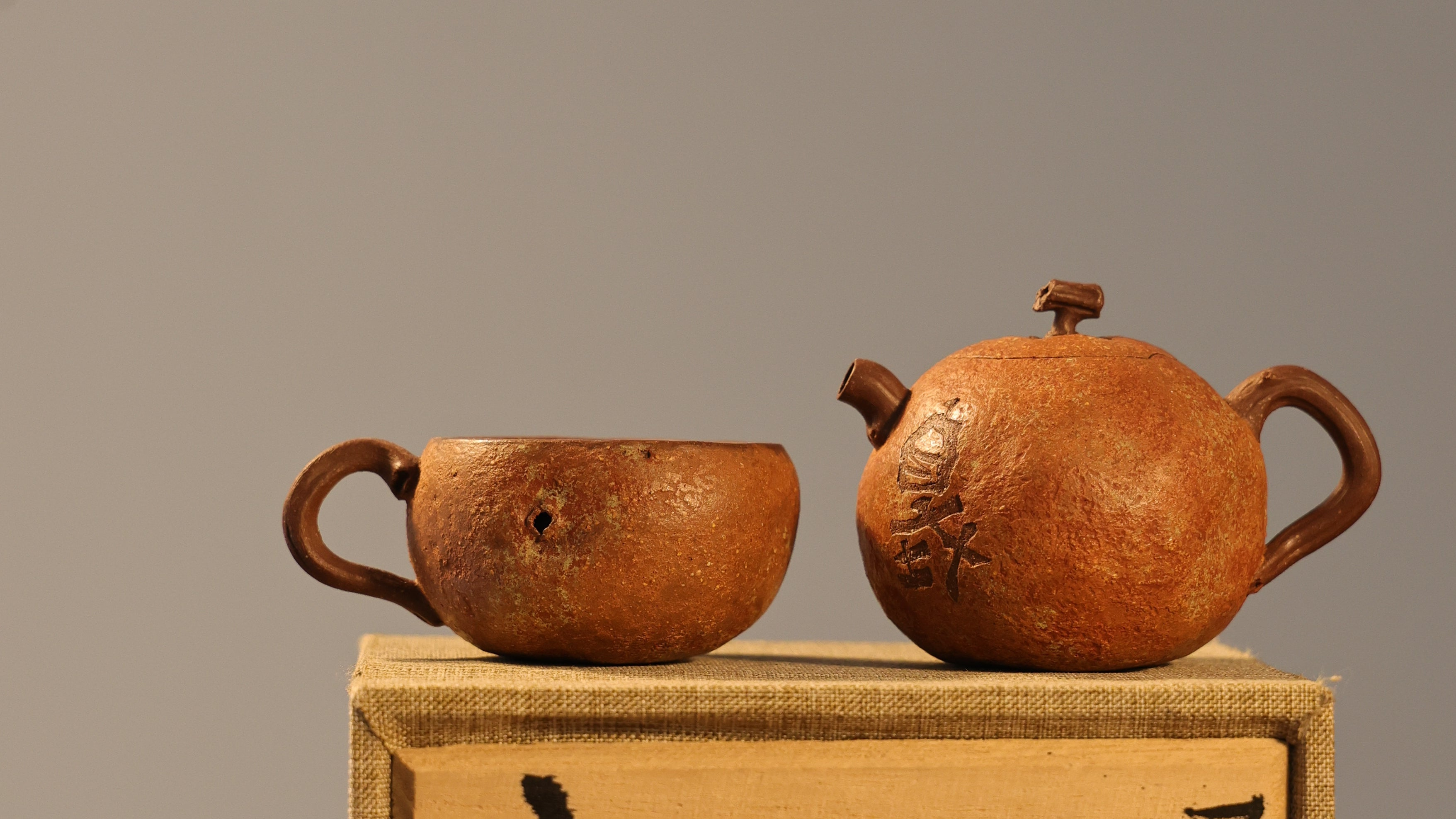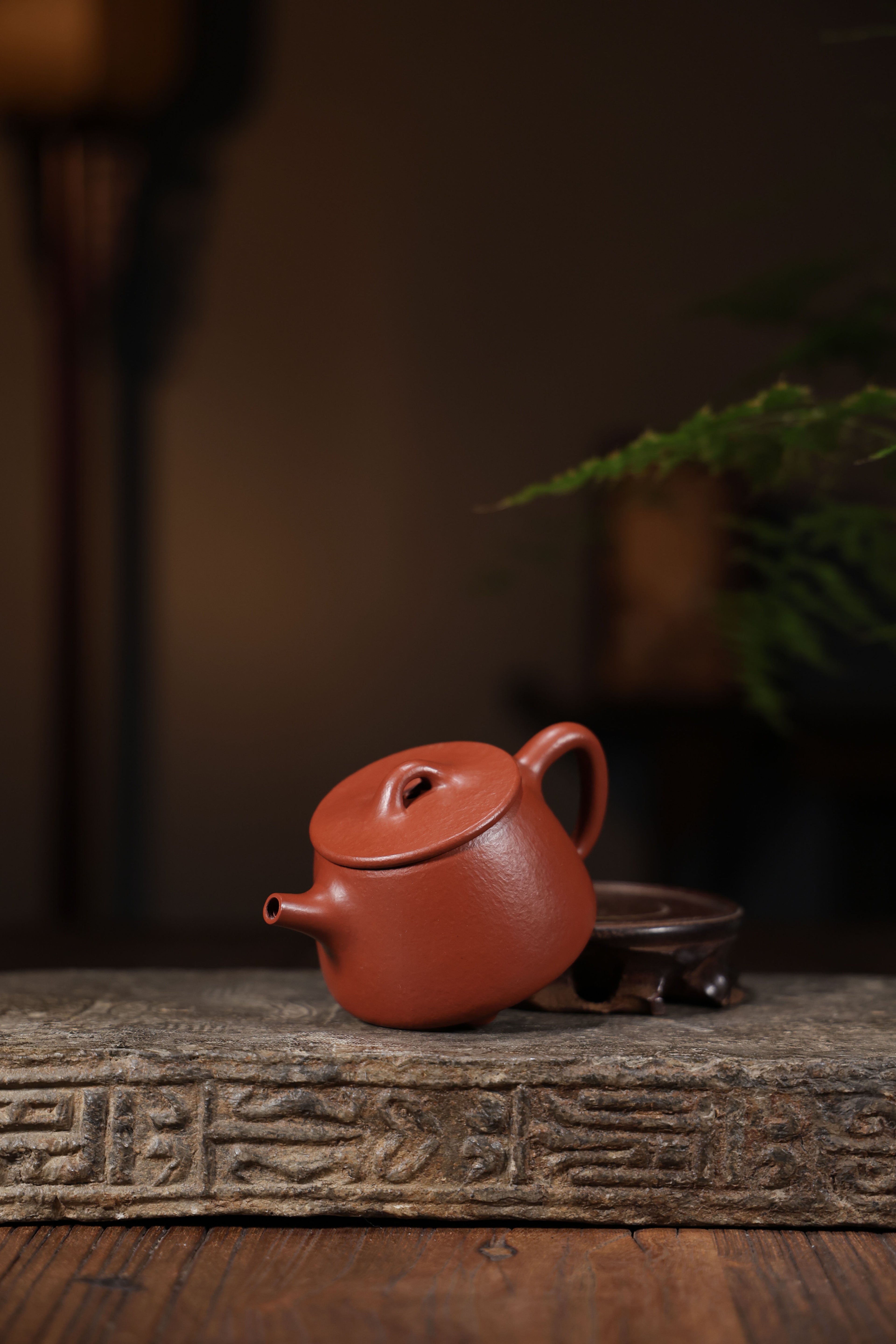
Perpetual custom determines Zisha pottery via periods,
Embodying unique qualities taken out of regional plum minerals, such jars build up a glow along operation, boosting savor liberated from extracted drinks.
Exploring Yixing Material: Comprehensive Insights into Zisha
Countless aficionados recognize the unique texture of Yixing mulberry clay, a linchpin of conventional Chinese porcelain. Deriving from the Yixing region of Jiangsu province, this unique clay possesses an complex mineral composition, in order that furnishes outstanding qualities to the finished wares. Kinds within Zisha, including Zhuni Mud, Duan Ni Mud, and Jiang Xi Mud, each has special complexions, patterns, and hardening traits, affecting the openness and the definitive savor development of the liquid.
Mandarin Vessel Traditions: Interpreting Mastery
Mandarin teapots embody over mere pots for infusion; they manifest centuries of legacy skill. From the legendary Yixing clay variations, respected for their open nature which transfers extraordinary accents to the tea, to the graceful porcelain from Jingdezhen, each piece expresses a history of effort. The creation process is an methodical pursuit, often transferred through clans of artisans. These artists use ancient strategies such as hand-building, forming on wheels, and beautifying, demonstrating profound reverence for the clay and the craft itself. Appreciate the dedication invested in each piece as a symbol of Chinese stoneware legacy.
- Yixing crocks: a timeless pick.
- Delicate ceramics teapots: recognized for their graceful design.
- Shaping techniques: a laborious yet gratifying procedure.
Clay Vessel Container Safeguarding: Maintaining Your Beloved Piece
Proper preservation of your notable Yixing Zisha pot is fundamental to securing its value. Crafted from famous purple sand compound, these exquisite teapots accumulate a glossy patina after application, markedly boosting their allure. Prevent detergents; a delicate rinse with pleasantly warm water is enough. Shun heated water for cleaning the teapot, as it may crack its composition. Allow it to become dry away from intense sunshine. Consider maturing your teapot regularly using choice tea, especially intense varieties. Here is a brief summary:
- Cleanse with pleasantly warm aqueous.
- Avoid soaps.
- Permit it to desiccate.
- Treat with top-grade tea.
Roots of Yixing Teapots: Initial Phases
The saga of Yixing teapots arises fundamentally during the Ming dynasty, around the 16th century. Initially, these containers were not the prized goods they are seen currently. They were made by regional potters using the distinctive purple clay sourced solely in the Yixing vicinity. These early works were largely utilitarian, designed for daily employment and often unpretentious in layout. It was not until the successive dynasty that they launched to earn honor beyond mere serviceable objects.
Deciding On the Appropriate Chinese Vessel: A Novice's Guide
Venturing the territory of Yixing teapots can be difficult, but eschew hesitating! For starters, the key factor is understanding the soil. Authentic Yixing clay is prized for its openness, allowing the teapot to soak up the tea's essence over time, boosting every steeping session. Envision the configuration; traditional globular shapes prevail, yet subjective preferences matter. Lastly, check the overlay—while some favor an unfired appearance, others appreciate a faint gloss. Take your time in the procurement process—this is an acquisition in a cherished piece of fabrication.
Fine Clay Containers and Their Influence on Chinese Brew Heritage
Zisha vessels, born from Yixing, China, have profoundly transformed classic Chinese potion culture. Those Yixing clay teapots, prized for their characteristic cast, surface, and exceptional ability to impart a subtle flavor to the liquid, are more than mere utensils; they are respected works of art and symbols of greatness. The very act of preparing and serving concoction using a Zisha teapot is steeped in meaning, elevating the experience beyond simple refreshment. Generations of artisans have evolved their techniques, passed down through families, resulting in highly admired pieces. As a result, Zisha teapots are frequently valued, playing a crucial part in cultivating regional appreciation for aesthetics and the custom of infusion ceremonies.
- Individual Clay Composition
- Bestowing Subtle Flavor
- Fine Craftsmanship
Detecting Authentic Exceptional Provincial Containers
Finding a original Yixing teapot can be a beneficial experience, but the trade is often overrun with replicas. Identifying between a true antique and a new reproduction requires exact inspection. Key features include the clay's rust-colored shade, often displaying banded patterns, and the deficiency of modern processing imprints. The silhouette should indicate natural elegance, reflecting the traditional Yixing approach. Finally, reviewing the potter's seal is fundamental to verify authenticity against known citations.
- Assess the clay's fabric.
- Look for blemishes, indicative of custom quality.
- Employ an expert for authentication.
Collecting Yixing Ceramic Vessels: A In-Depth Instruction to Zisha Understanding
The domain of Purple Zisha crafts exhibits a unique venture for experienced supporters. Consistently, the value of these artisanal artifacts is affected by multiple considerations, such as the standard of composition, the dexterity of the potter, the historical importance, and, naturally, the present demand. Novices should emphasize on studying the several kinds of Zisha clay—such as Frozen River, Peaceful Container, Purple Clay Teapot and Ruby Mud—and exploring the aspects linked to each. Precise analysis of the earthenware's figure, tone, and stamp is further vital to make knowledgeable decisions when investing.