Throughout enduring chronicles,
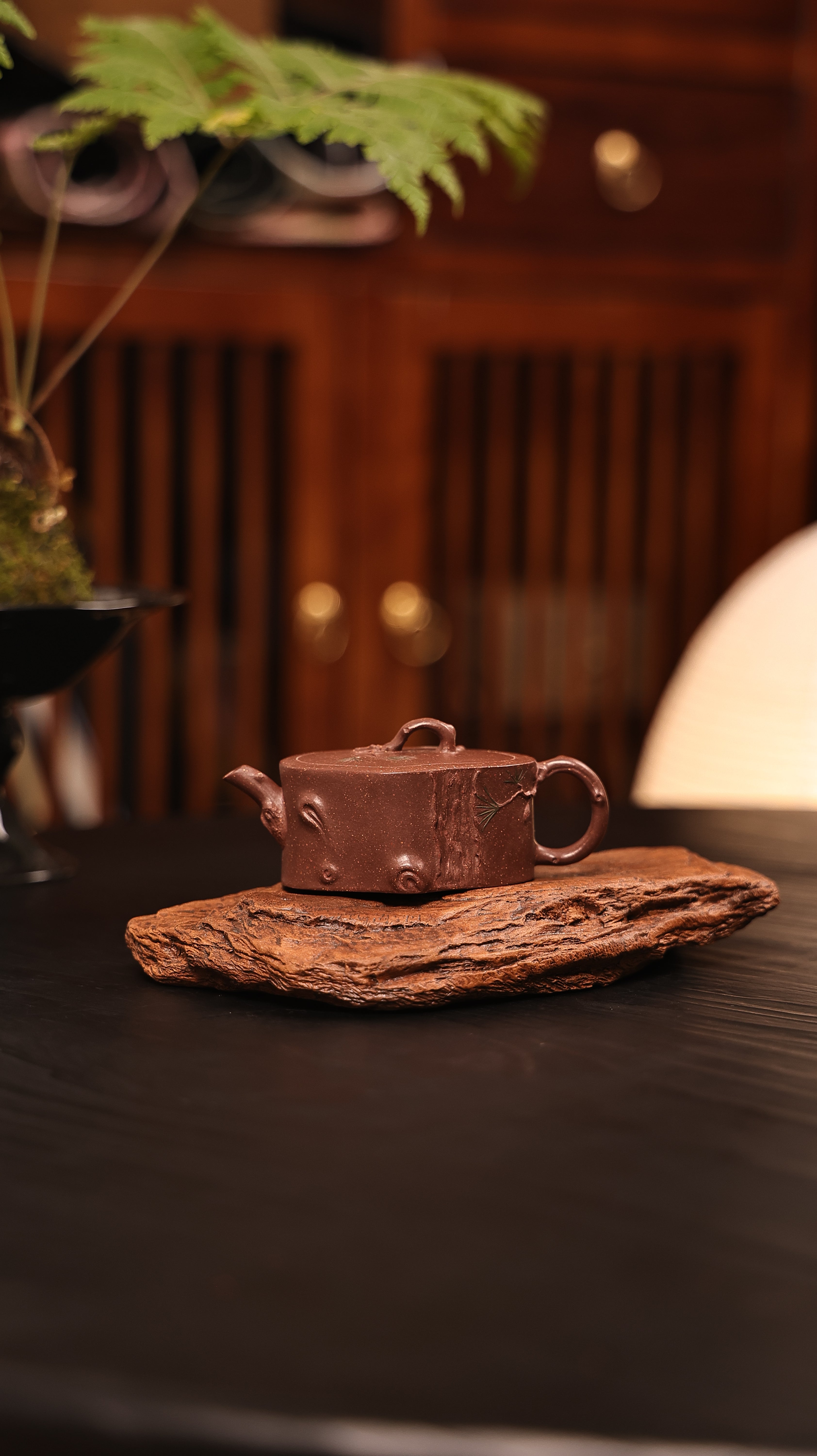
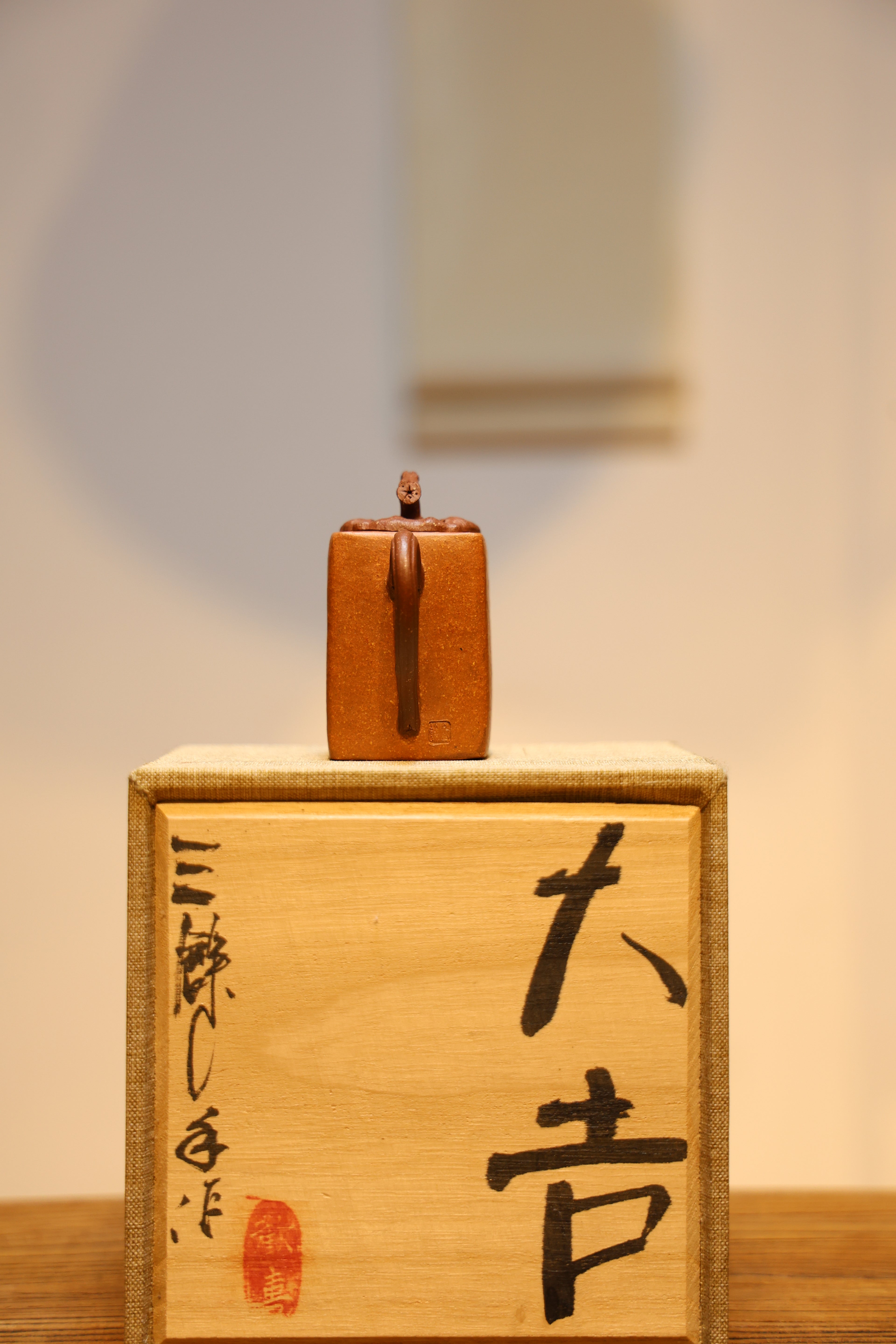
Over periods, connoisseurs have been enthralled by the distinctive charm of Yixing Zisha vessels. Originating from the area of Yixing in the mainland, these pots are renowned for their remarkable beauty, limited clay, and innate ability to boost the essence of the liquor. The ground's distinctive auburn hue, combined with the skillful production of Yixing's potters, creates objects that are both functional art and valuable investments. Owning a Zisha teapot is more than just the purchase; it's experiencing a rich cultural heritage.
Understanding Yixing Teapots: History, Models, and Esteem
Famous Yixing teapots manifest a vast record deeply intertwined with Chinese culture. Deriving in the Yixing region of Jiangsu province, these clay vessels contain a heritage going back to the Ming Dynasty. Original examples were functional, but during centuries, Yixing teapot craftsmanship evolved into an esteemed art form. The clay itself, known for its unique porosity and ability to refine the flavor of the tea, lasts a defining factor. Yixing teapots manifest in various patterns, broadly categorized by shape: Conventional such as Zhuni (purple clay) and Bisheng, as well as more designs. The significance of a Yixing teapot turns on several factors, including the potter’s renown, the age of the piece, the rarity of the clay, and its aesthetic quality.- Story: Old ages
- Soil: Various types
- Worth Components: Age
Zisha Pot Expertise: Practice and Potters
One crafting of a bona fide Zisha teapot is a complicated process, requiring generations of mastery. Expert artisans meticulously choose the prime Zisha clay, a specialized earth found only in specific regions of China. Established techniques, often relayed through families, involve careful shaping, sensitive carving, and methodical firing in ancient kilns. The definitive teapot isn't merely a container; it's a testament to expressive vision and the significant connection between the fabricator and their roots. Each work showcases the unique touch of the specialist, resulting in a truly unparalleled work of masterpiece.
A Craftsmanship: Examining the Profound Customs of the Yixing Territory
The Yixing City, found in Jiangsu the province of Jiangsu, is extensively renowned for its exceptional teapots – a tangible representation of centuries of Chinese tradition. These Yixing Teapot aren't merely vessels for processing tea; they are intricate works of craftsmanship, often reflecting ideological ideals. The unique purple clay, known as Zisha, possesses extraordinary qualities: the element dense, breathable, and imparts a subtle essence to the tea.
- Multitudinous dynasties have honed the techniques of Yixing jar making, passing down cherished methods through ages.
- Connoisseurs prize these pieces for their grace and rarity.
- Some jar tells a anecdote, connecting the user to a rich heritage.
Entering Yixing Zisha: Important Factors
In the process of assessing procuring Yixing Zisha vessels, countless criteria expect careful assessment. Firstly, the material's shade is noteworthy; authentic Zisha habitually exhibits a definite brick undertone. Moreover, inspect the technique; distinct aspects and a polished coating reveal accomplished making. At last, study the fabricator's profile; distinguished names draw boosted amounts and often grant a promising profit.
The Art of Brewing Tea with a Zisha Teapot
Brewing palatable tea with a Zisha carafe is more over a simple practice; it's an specialty. Zisha clay, distinguished for its unique elemental composition, imparts a nuanced character to the brewed tea that’s often lacking with other devices. The appropriate water intensity is necessary; typically, softer than what's used for black tea, to retain the tea's fragrance and zest. Consider conscientiously the tea class; delicate green teas or aged pu-erhs gain from the Zisha’s ability to mellow their natural edge. It’s pivotal to heat the teapot stringent to brewing, and to eschew over-steeping. Mastering this craft leads to a veritably exceptional tea occasion.
- Comprehending Zisha Clay
- Thermal Measure & Tea Sort
- Role of Pre-treatment
Protecting Your Yixing Ceramic Pot
With the aim of guarantee the life of your cherished Yixing clay pot, ongoing servicing is vitally required. Avoid using detergent; instead, lightly clean it with pleasantly heated moisture. Steer clear of sharp shifts; refrain set the urn directly onto a scorching support. Periodically, enhance the teapot by soaking it with high-quality matured brew, as this facilitates to enhance its nature and protects the singular qualities of the medium.
From Material to Receptacle: The Progression of a Traditional Brewing Device
Such creation of a Zisha teapot is a remarkable operation, a representation to both the world's bounty and the finesse of the craftsperson. It originates with the exact extraction of the special clay from the burgundy Zisha mines near Yixing. This untreated material, known for its superlative characteristics, is then deliberately distilled and prepared for the original forming. The urn’s shape is adeptly built using a combination of time-honored molding strategies, often incorporating intricate embellishments. Following ripening, the jug undergoes a critical first firing, preceded by a varnishing stage, which might involve a series of layers of pure Zisha slips. Finally, a second, and sometimes third, firing at extreme temperatures finalizes the product, revealing its finished beauty and fantastic characteristics - a genuine masterpiece, prepared to adorn a tea practice.
{Yixing Teapots: A Manifestation of a Way of Life and Honoring
This Yixing teapots, originating from the famed Yixing region of Jiangsu province, are far more than mere pots for brewing brews; they represent a important aspect of Chinese traditions. Produced from distinctive purple clay – zisha – these uncommon teapots are highly esteemed for their ability to enrich the flavor of the tea and, crucially, for their grace. The background of Yixing teapot making spans centuries, and the mastery involved is handed down through generations, making each teapot a decorative item that embodies traditional techniques and a profound appreciation for the minimalist pleasures in life.