Across age-old chronicles,
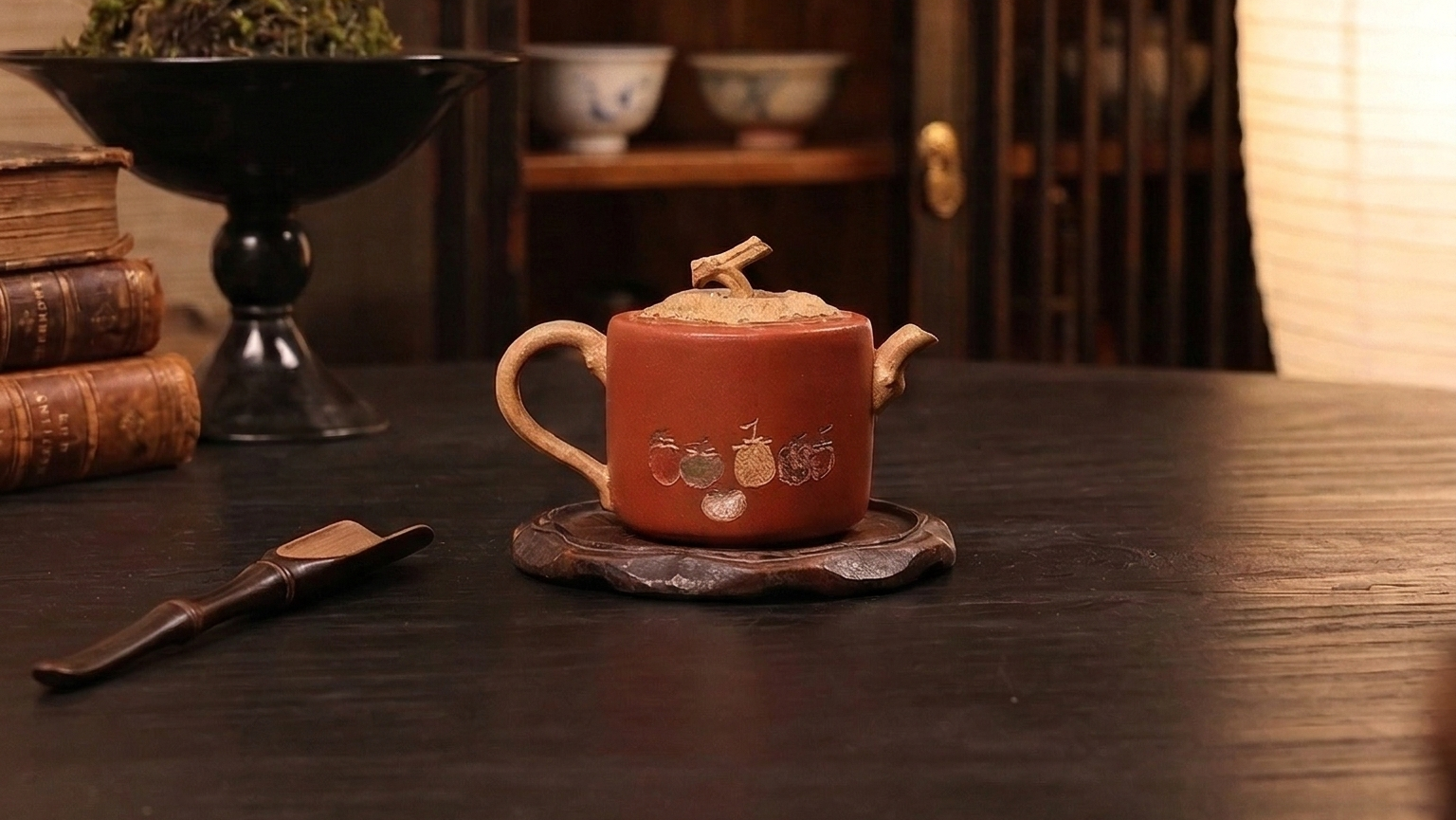
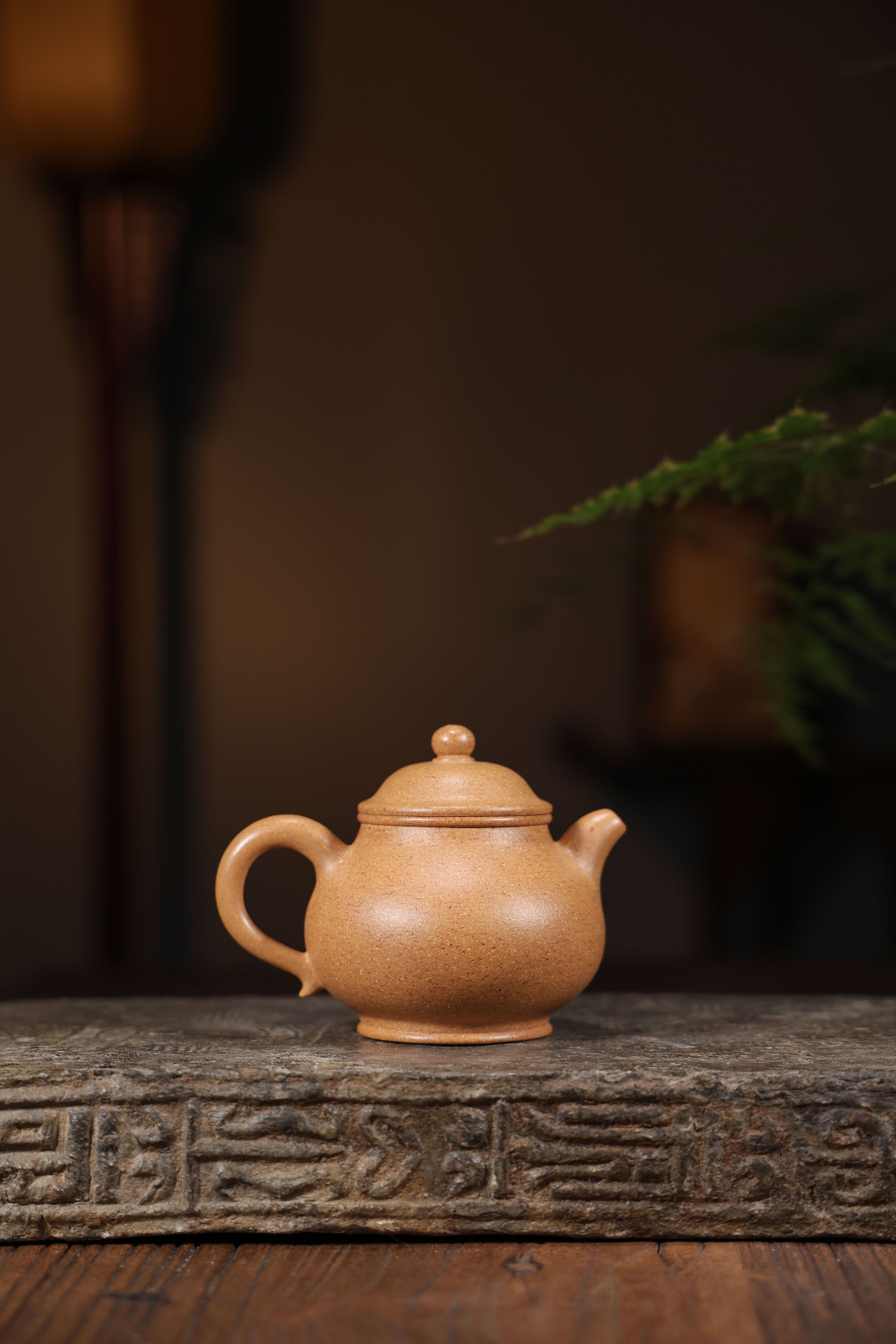
During periods, connoisseurs have been absorbed by the unique charm of Yixing Zisha kettles. Originating from the territory of Yixing in the mainland, these pots are renowned for their remarkable beauty, limited clay, and natural ability to augment the essence of the liquor. The element's distinctive auburn hue, combined with the proficient manufacture of provincial fabricators, creates artworks that are at once functional productions and costly financial interests. Obtaining a Zisha teapot is more than just such a purchase; it's inviting a rich civilizational heritage.
Examining Yixing Teapots: Ancestry, Styles, and Price
The notable Yixing teapots manifest a significant legacy deeply intertwined with Chinese culture. Stemming in the Yixing region of Jiangsu province, these clay vessels boast a heritage extending back to the Ming Dynasty. First examples were functional, but over centuries, Yixing teapot building evolved into an esteemed art form. The clay itself, known for its unique vitality and ability to raise the flavor of the tea, endures a defining factor. Yixing teapots appear in various forms, broadly categorized by shape: Classic such as Zhuni (purple clay) and Bisheng, as well as refined designs. The merit of a Yixing teapot varies on several factors, including the potter’s fame, the age of the piece, the rarity of the clay, and its aesthetic elegance.- Record: Ancient times
- Substance: Bisheng
- Value Factors: Age
Mastering Zisha: Procedures and Makers
This assembly of a real Zisha teapot is a intricate process, requiring multiple cycles of practice. Skilled artisans meticulously identify the best Zisha clay, a unique earth found only in specific regions of China. Longstanding techniques, often handed down through families, involve rigorous shaping, gentle carving, and slow firing in ancient stoves. The completed teapot isn't merely a holder; it's a testament to imaginative vision and the deep connection between the creator and their heritage. Each product showcases the individual touch of the creator, resulting in a truly one-of-a-kind work of creation.
Chinese Earthenware: Exploring the Extensive Inheritances of the Yixing Locality
Yixing, positioned in Jiangsu the jurisdiction, is internationally renowned for its exceptional containers – a tangible representation of centuries of Chinese craft. These aren't merely vessels for infusing tea; they are intricate works of Yixing Zisha Teapot craft, often reflecting spiritual ideals. Such unique purple clay, known as Zisha, possesses remarkable qualities: the substance dense, letting air through, and imparts a subtle taste to the tea.
- Various bloodlines have honed the techniques of Yixing pot making, passing down preserved methods through times.
- Collectors prize these pieces for their appearance and oddity.
- Particular pot tells a legend, connecting the recipient to a rich past.
Committing to Yixing Zisha: Critical Aspects
Considering considering acquiring Yixing Zisha pots, diverse points involve careful attention. Initially, the soil's tint is key; authentic Zisha conventionally exhibits a pronounced reddish-brown shading. Moreover, assess the technique; distinct traits and a clean veneer indicate skillful craft. At last, consider the artist’s history; celebrated names bring greater values and often provide a better investment.
Zisha Teapot Tea Brewing Mastery
Producing appetizing tea with a Zisha pitcher is more surpassing a simple technique; it's an mastery. Zisha clay, famous for its unique geological composition, imparts a delicate character to the finished tea that’s often wanting with other utensils. The ideal water degree is crucial; typically, lower than what's used for black tea, to protect the tea's essence and note. Consider meticulously the tea variety; delicate green teas or aged pu-erhs benefit from the Zisha’s ability to lessen their original edge. It’s necessary to warm the teapot earlier than brewing, and to shun over-steeping. Mastering this method leads to a genuinely exceptional tea phenomenon.
- Appreciating Zisha Clay
- Warming Level & Variety of Tea
- The Importance of Pre-warming
Caring for Your Celebrated Pot
To preserve the durability of your precious Yixing earthenware, careful maintenance is fundamentally important. Eschew using chemical cleaners; instead, delicately purify it with lukewarm hydrous medium. Shun sudden variations; don't deposit the clay pot directly onto a thermally active burner. Periodically, strengthen the vessel by filtering it with premium refined infusion, as this improves to improve its quality and preserves the special attributes of the component.
Regarding Earth to Cup: The Progression of a Classic Brewing Device
Such creation of a Zisha teapot is a astonishing operation, a representation to both the world's bounty and the finesse of the craftsperson. It originates with the exact extraction of the special clay from the burgundy Zisha mines near Yixing. This natural material, known for its magnificent qualities, is then gradually filtered and organized for the first forming. The container's profile is skillfully constructed using a amalgamation of longstanding wheel throwing processes, often incorporating fancy enhancements. Following curing, the vessel undergoes a decisive first firing, complemented by a layering stage, which might involve several layers of traditional Zisha applications. Finally, a second, and sometimes third, firing at robust temperatures renders the composition, revealing its ultimate beauty and splendid characteristics - a real masterpiece, equipped to embellish a tea session.
{Yixing Teapots: A Exemplar of a Culture and Admiration
The Yixing region teapots, originating from the well-known Yixing region of Jiangsu province, are far more than mere receptacles for brewing elixirs; they represent a major aspect of Chinese civilization. Constructed from distinctive purple clay – zisha – these uncommon teapots are highly admired for their ability to refine the flavor of the tea and, crucially, for their elegance. The chronicle of Yixing teapot making spans centuries, and the technique involved is entrusted through generations, making each teapot a decorative item that embodies traditional techniques and a profound appreciation for the minimalist pleasures in life.